Step Into My Sessions: Making Space: Letting Students Unload What’s Hard
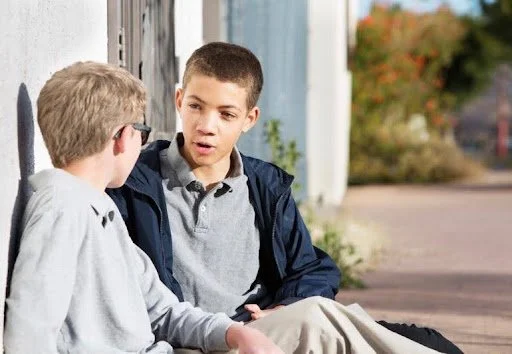
Sometimes students need space to say what isn't working before they can move forward.
When we get together with family, colleagues, friends, and even people we don’t know that well, what do we often do first? We complain.
💬About the weather (too hot, too cold, rarely “just right”), traffic, something that didn’t go as planned, maybe even the state of the world. It’s such a common part of small talk that we barely notice it. But those shared moments of “Can you believe this?” or “That was so frustrating” are often how relationships begin and flourish.
Connecting Through Complaining
There’s actually quite a bit of research suggesting that sharing our complaints actually builds connection. 🖇️ When students talk about what feels unfair, frustrating, or disappointing, they’re not just venting. They’re showing us what matters to them. For many of the students we see, these kinds of moments don’t happen easily or often.
Since some may have few friends, they may not have those opportunities to share experiences like this with peers, or to hear, “That happens to me too.” 🙋♀️
In a group, though, these moments can open the door to something more: “I hate that.” “Yeah, that’s the worst.” 🙅 What can sound like negativity on the surface can actually be the beginning of connection, validation, and shared understanding.
🌞 So, as summer approaches and your students may start feeling a bit of that spring fever, try beginning your sessions with a simple prompt to get those “complaining” juices flowing.
Give them space to talk about what doesn’t feel fair, when they feel like they always lose, or what’s been frustrating lately.
These aren’t off-topic moments—they’re opportunities. 🌟
When students are invited to share what’s hard, they’re often more engaged, more honest, and more open to hearing each other. It’s a natural entry point into both connection and deeper social learning.
Here are some examples from my sessions:
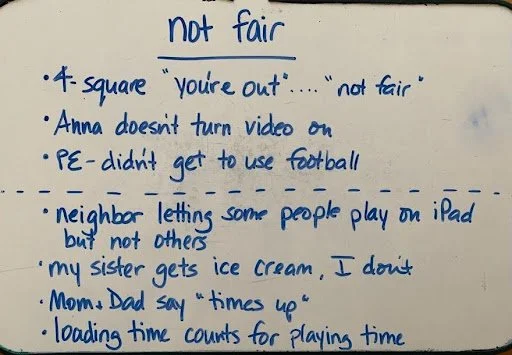
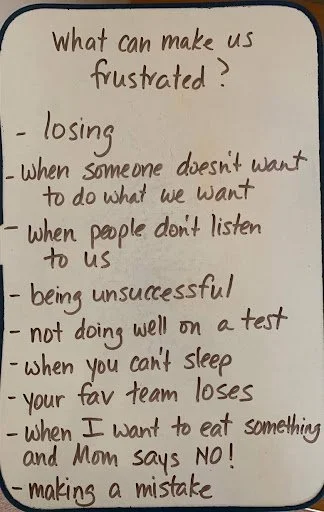
Sometimes these venting moments can organically lead into something more.
Once students feel heard, they may begin to shift toward: “What could I do instead?” “Maybe next time I could…” 🤔💭
In this group, what started as a list of frustrations naturally moved into a discussion of possible solutions (below). We didn’t rush it or force it. The ideas emerged because the students had first been given space to express what wasn’t working.
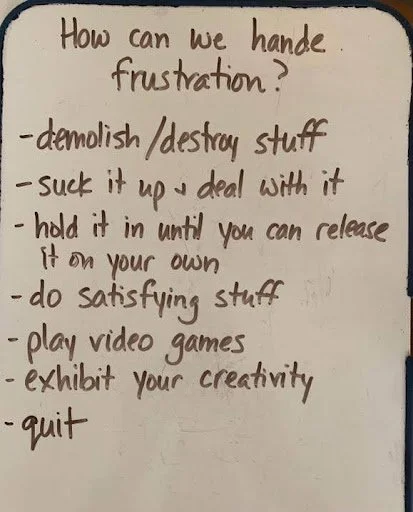
As we move toward the end of the year, these moments are worth slowing down for. 😌
👉 Giving students time to unload, connect, and reflect doesn’t take away from the work; it can be the work.
And like so much of what we do, the goal isn’t immediate change. It’s helping students begin to notice, think, and consider new possibilities. 🧠💫 And feel what it’s like to really connect with peers. Bit by bit, these conversations build awareness, language, and connection in ways that last beyond our sessions.
Reflective moment
What happens when you give your students space to talk about what feels unfair or frustrating before moving toward solutions?
Take good care in this busy month! 😊