Step Into My Sessions: Before the Doing Begins
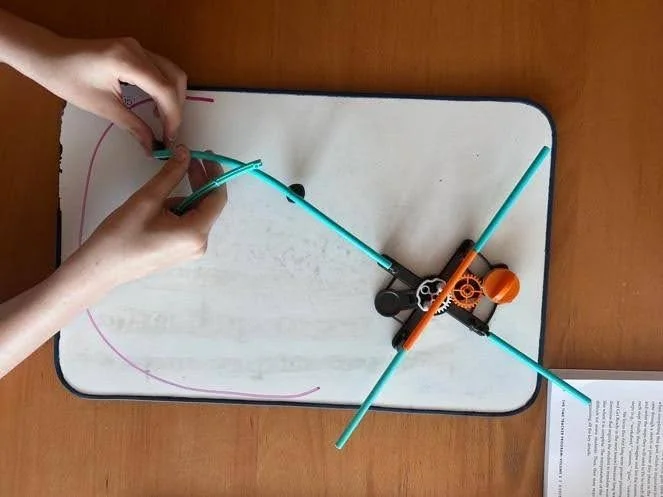
Executive function becomes more manageable when the process is visible.
I have long admired the work of my friend and colleague Sarah Ward—truly my diva of executive function. ✨
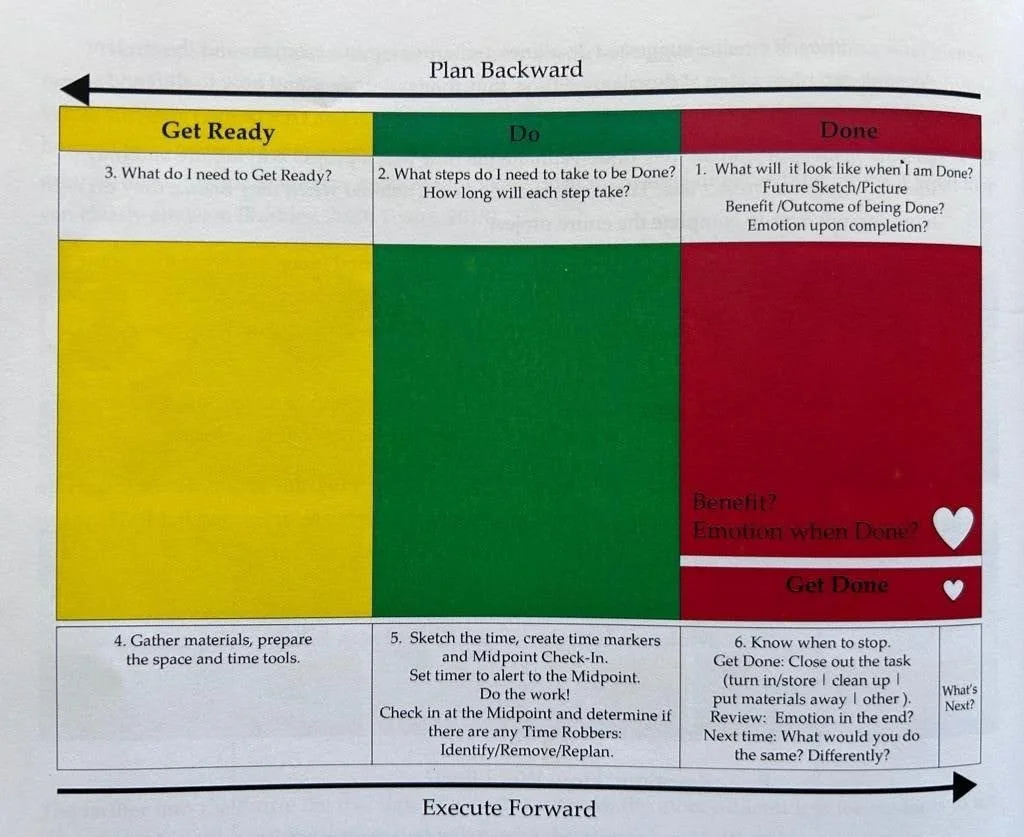
Sarah has an extraordinary ability to make complex tasks visible and understandable for our students, using visuals and structured frameworks to support not just task completion, but the entire journey of creation. 🎨🖌️ One of the frameworks I return to again and again is her concept of Getting Ready, Doing, Done. ✅
Getting Ready, Doing, Done
Instead of jumping straight into the task itself, Sara helps students recognize that successful completion begins long before the “doing” starts. By combining this framework with her idea of Think Backwards to Move Forwards, students learn to visualize the end goal, identify what needs to happen beforehand, and organize the steps needed to get there. 📋✏️
It’s such a powerful and respectful way of supporting executive function—making the invisible parts of planning more concrete, manageable, and achievable.
Let’s look at how I applied Sarah’s ideas with one of my students.
This 7th grader struggles with language processing, working memory, expressive language, executive functioning, and fine motor coordination. But she really wanted to build a RoboRails track. 🤖 🛤️ She loves the sensory experience of holding the activated robot in her hands and is fascinated watching it successfully travel along a completed track.
I’ll admit—I worried the task might simply be too complex. There were so many steps, so much planning, tricky pieces to fit together, lots of visual-spatial figuring it out, and so many opportunities for frustration and failure.😓 But I also knew that if anyone could help me think through how to make the process more accessible, it would be Sarah Ward! 💭💡
🔀 Using the framework of Getting Ready, Doing, Done, along with Think Backwards to Move Forwards, we created visuals to help make the entire process more concrete and manageable for her.
We went slowly, bit by bit, and yes, it took all 50 minutes of our session (I appreciate that not everyone has that much time!) 🕰️
These are the visuals we developed together:
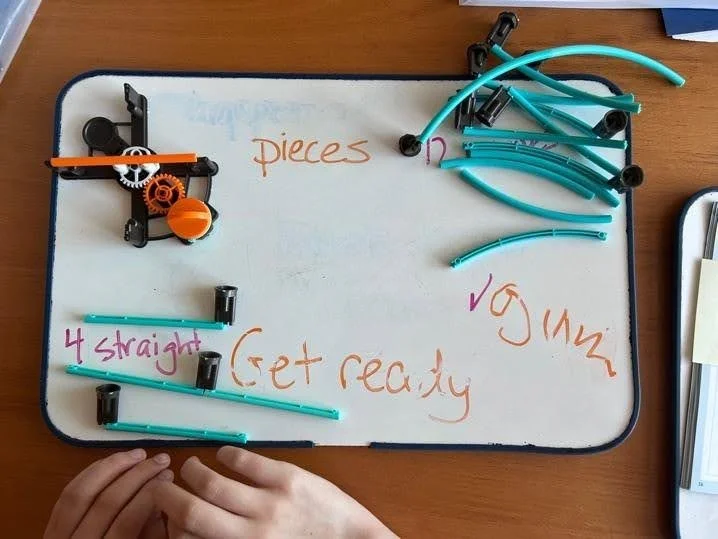
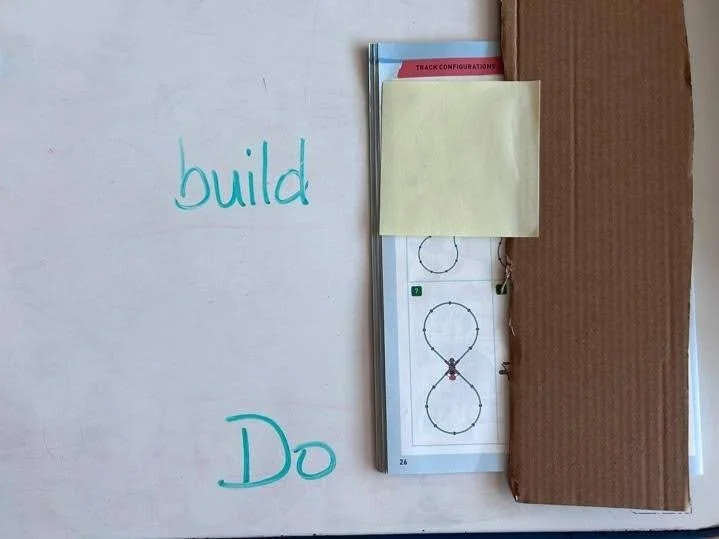
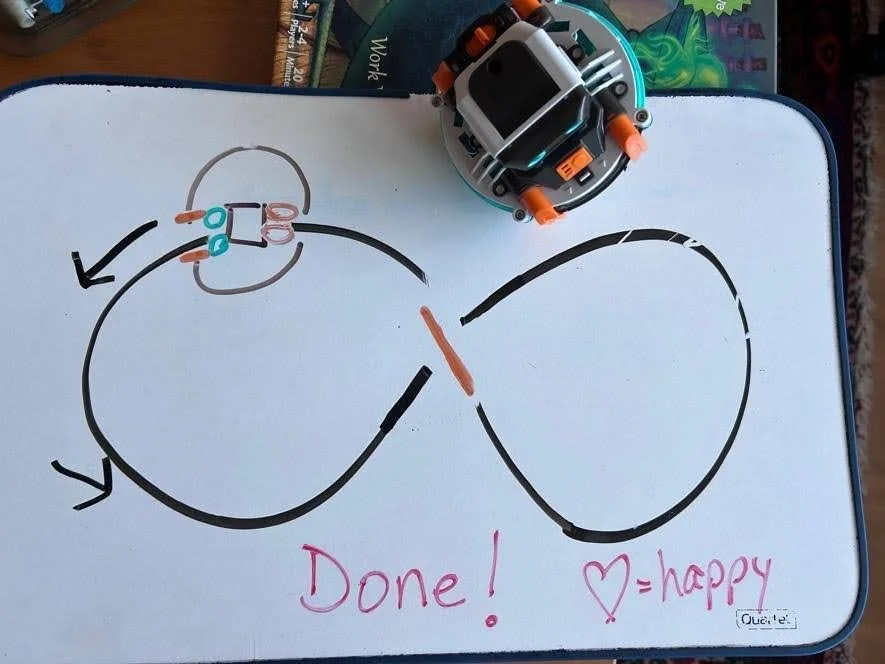
My student’s focus, perseverance, and ability to deal with frustration (yes, there were lots of tiny pieces to fit together) was amazing. 🤩🙌🏼
💪🤔 She was also incredibly motivated, and that motivation played such an important role in helping her stay with a task that was genuinely challenging and, at times, frustrating. Given supportive visual structures and clear planning, she did it with low to moderate support from me. We also added an additional visual curve for her to follow during the build, which she instantly understood and used successfully. 💯🥳
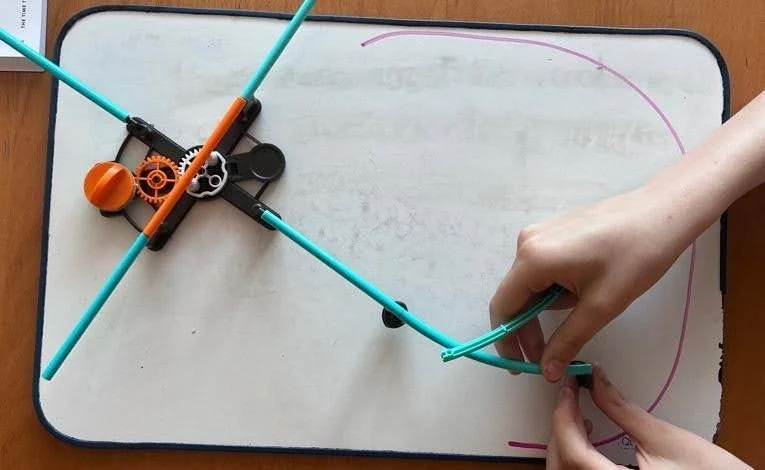
She was beaming when she finally turned on the robot and watched him go. 🌞
It was a wonderful experience for me to witness—not just in terms of executive functioning and task completion, but in growing resilience and self-agency. 🌱
👉 Moments like this remind me that we are mediators of far more than language. We are also supporting students as they develop confidence, persistence, and a stronger belief in their own ability to take on hard things.
💡 Looking for new and engaging materials for this school year? My students LOVE this little person, and I have found it to be quite durable!
Reflective moment
How might stronger visual supports and clearer planning change what one of your students believes they are capable of doing?
🍎 Here we go into 2026-27 School year!
Anna