Step Into My Sessions: Mistakes, Feelings & Growth - A SocialScale Approach

With the right support, mistakes become stepping-stones.
January can be the start of a tricky stretch for many of my students. 😖
The excitement of the holiday break fades, and the rest of the school year suddenly feels very long; academics often ramp up in complexity. It’s a time when mistakes can feel bigger, frustration can surface more quickly, and some students start to doubt their abilities. 😓
That’s exactly why I like to take a moment, take stock, and give students tools to understand and normalize the inevitable mistakes that come with learning and growing. 🪴
Normalizing Mistakes with SocialScales
At an Office Hours in 2025, and sometimes via email, I get requests to show more examples of how I individualize SocialScales. This week, let’s peek into my session with four 5th-grade students, as we went through an easy, three-step activity:
1️⃣ The start was organic,
as a student came in with an example of not completing a writing prompt correctly and being asked to do a redo. That brought up the issue of mistakes, but you can also just start with an example of a simple mistake that you’ve made.
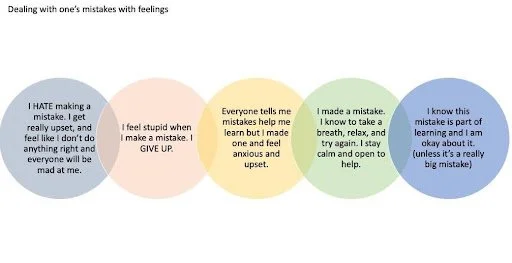
2️⃣ I called up the template
“Dealing with one’s mistakes with feelings” from SocialScales:
3️⃣ Together with the students,
we started modifying the wording until it truly fit them. That word-smithing really increases buy-in and how sincerely students engage with the SocialScale. Their words MATTER.
4️⃣ Finally,
I asked each student if they could come up with an example of a recent mistake (including their feelings) and how they reacted in the moment. Here is the final product:
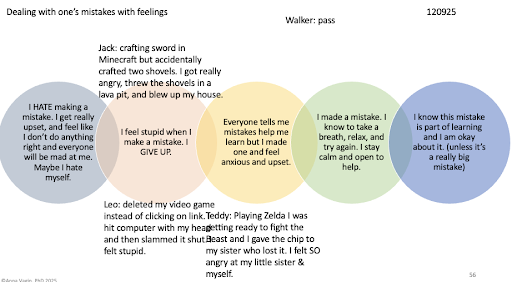
Notice that one student passed on coming up with an example. That’s always okay -- they had the opportunity to hear peer examples. We all had rich and empathic conversations. 💬
Little by little, they’re learning to be gentler with themselves—less self-critical, more curious—and discovering something important: they can respond to mistakes without turning on themselves (or those around them.) 😊
In the future, I’ll be able to call up this SocialScale again, check in on where students are, possibly make new changes to the text, and continue to use it as a visual support to jumpstart these important discussions.
Want to use SocialScales in your sessions? Get started today using the link below!
I hope January is treating you well!