Step Into My Sessions: Diving Even Deeper: Exploring Feelings with Maca & Roni

The characters may be animated, but the feelings are very real. Jenga by Kyungmin Woo
Last time we explored the rich personalities of the Maca & Roni characters and the lively discussions students had as they compared traits and debated their favorite episodes. ▶️ This week, let’s look specifically at feelings. Maca & Roni animations are full of small (and large!) emotional moments—surprise, frustration, pride, jealousy, annoyance—that unfold in ways students can observe and discuss. 💭
When we pause and look closely at those moments 🔍, students make connections between thoughts and feelings, and build that all-important emotional vocabulary. Because we want our students to have lots more emotional vocabulary than happy, sad, mad and worried.
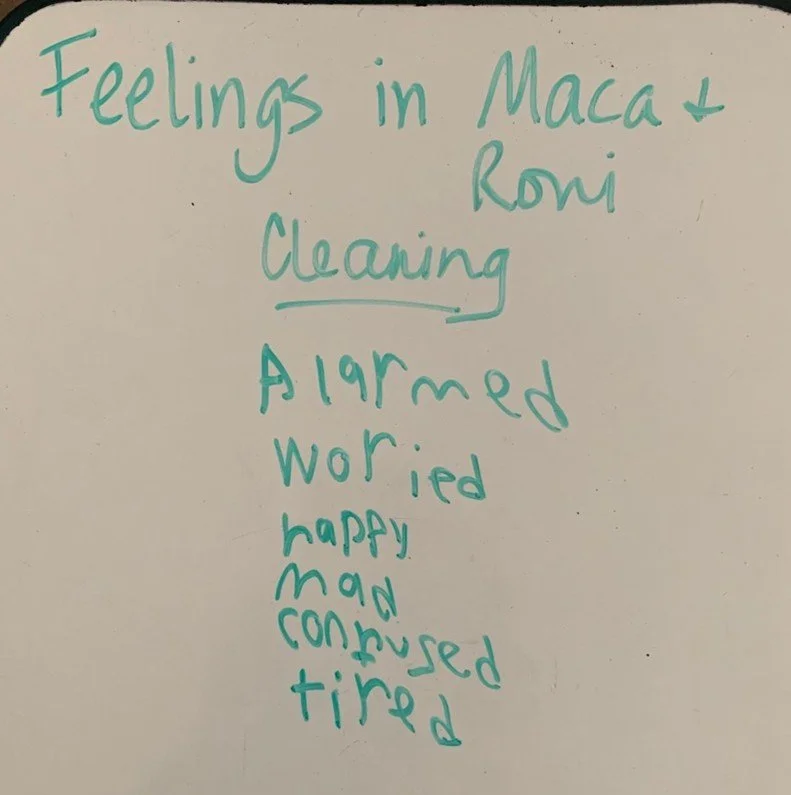
Super list from a 3rd grader!
One thing I’m reminded of again and again is how much easier it is to build emotional vocabulary when students are genuinely engaged. When they care about the characters and the story, they’re eager to name what they see: frustrated, disappointed, relieved, proud, jealous, worried. 🤔👀
As students compare interpretations and explain their thinking 🧠, their emotional language naturally becomes more precise and more nuanced. Let’s take a look at a few more visuals created by groups in my caseload as they worked together to describe and sort the feelings they noticed in different Maca & Roni moments.
📌 Need help in choosing animations to match a feeling you are working on? The Maca & Roni Spreadsheet will give you everything you need to make your planning super easy!
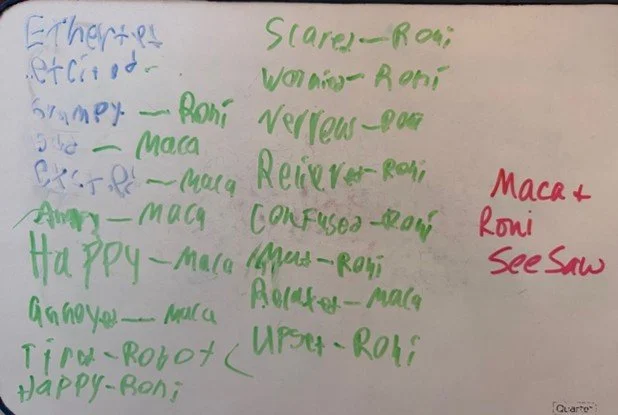
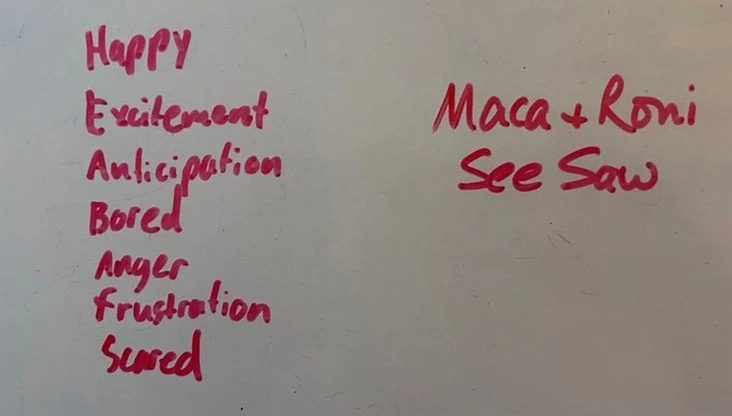
Two students in group noting feelings in Maca & Roni See Saw
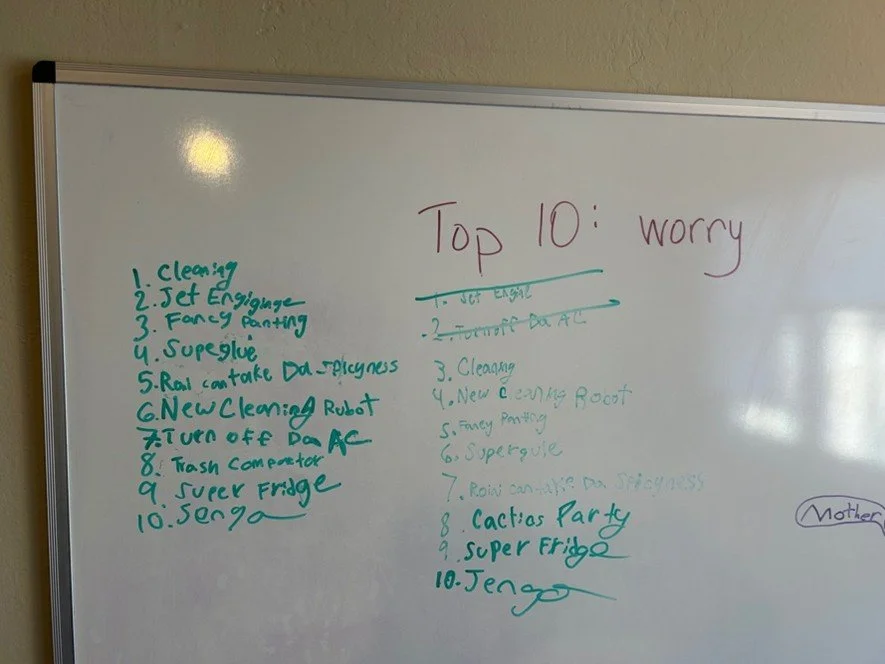
Lots of worries in Maca & Roni episodes!!
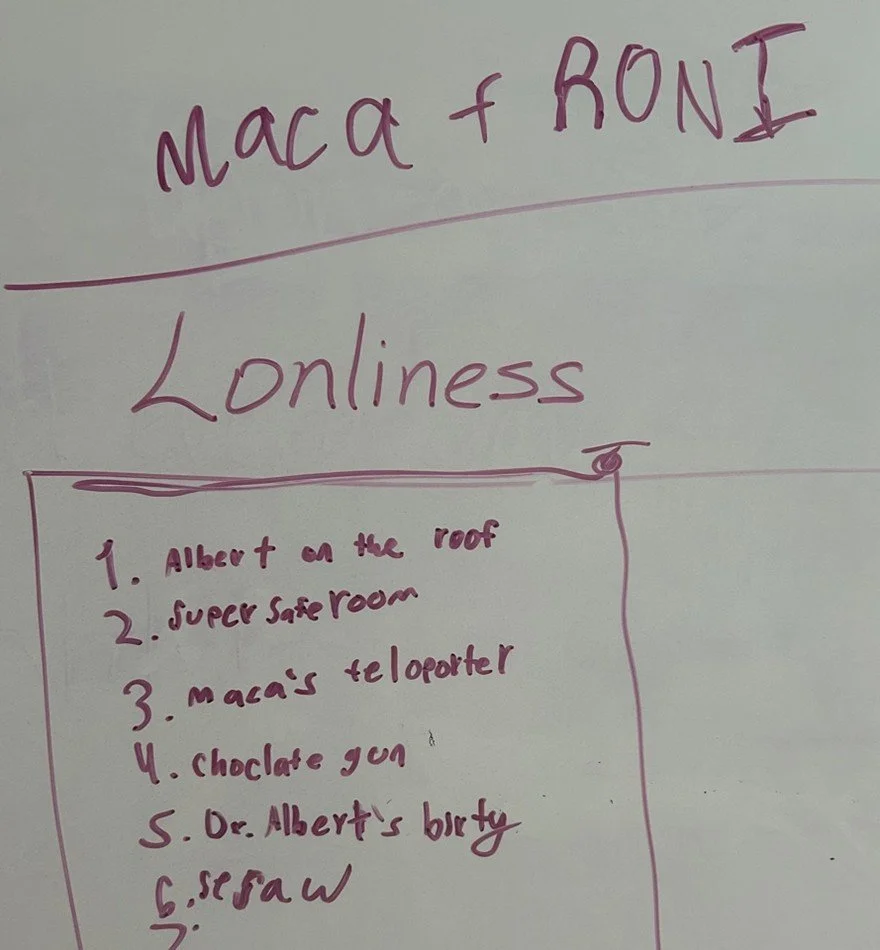
A great animation lets students think about difficult feelings.
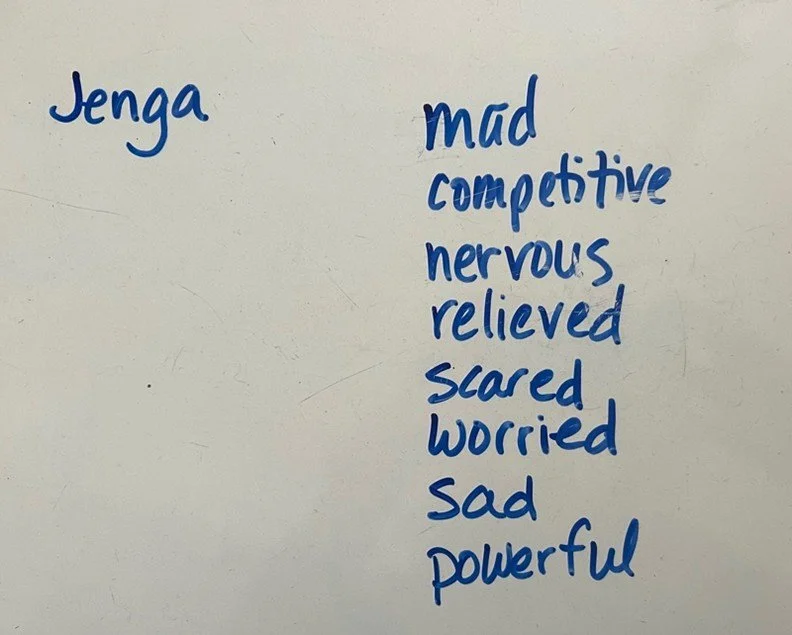
What a range of feelings!
Helping students develop a rich emotional vocabulary doesn’t have to be complicated. While some students are ready to recall emotional labels they know, others will benefit from visual supports.
🛠️ Tools like Kimochis, short or longer lists of feeling words, feeling cards, feeling trackers, or other visuals can give students choices to pick from. When these supports are available during engaging activities, such as discussing characters in animations, students often show they know far more feeling words than we might expect.
Reflective moment
What simple supports could you add to your sessions to help students explore the emotional vocabulary they already have?